

Why Website Design and SEO Should Always Be Done Together
When most people think about building a website, they focus on how it looks.
They want something modern, clean, and visually impressive—and that makes sense. Your website is often the first impression someone has of your business.
But here’s the problem:
A beautiful website that no one can find doesn’t actually work.
That’s where SEO (Search Engine Optimization) comes in—and why website design and SEO should never be treated as separate things.
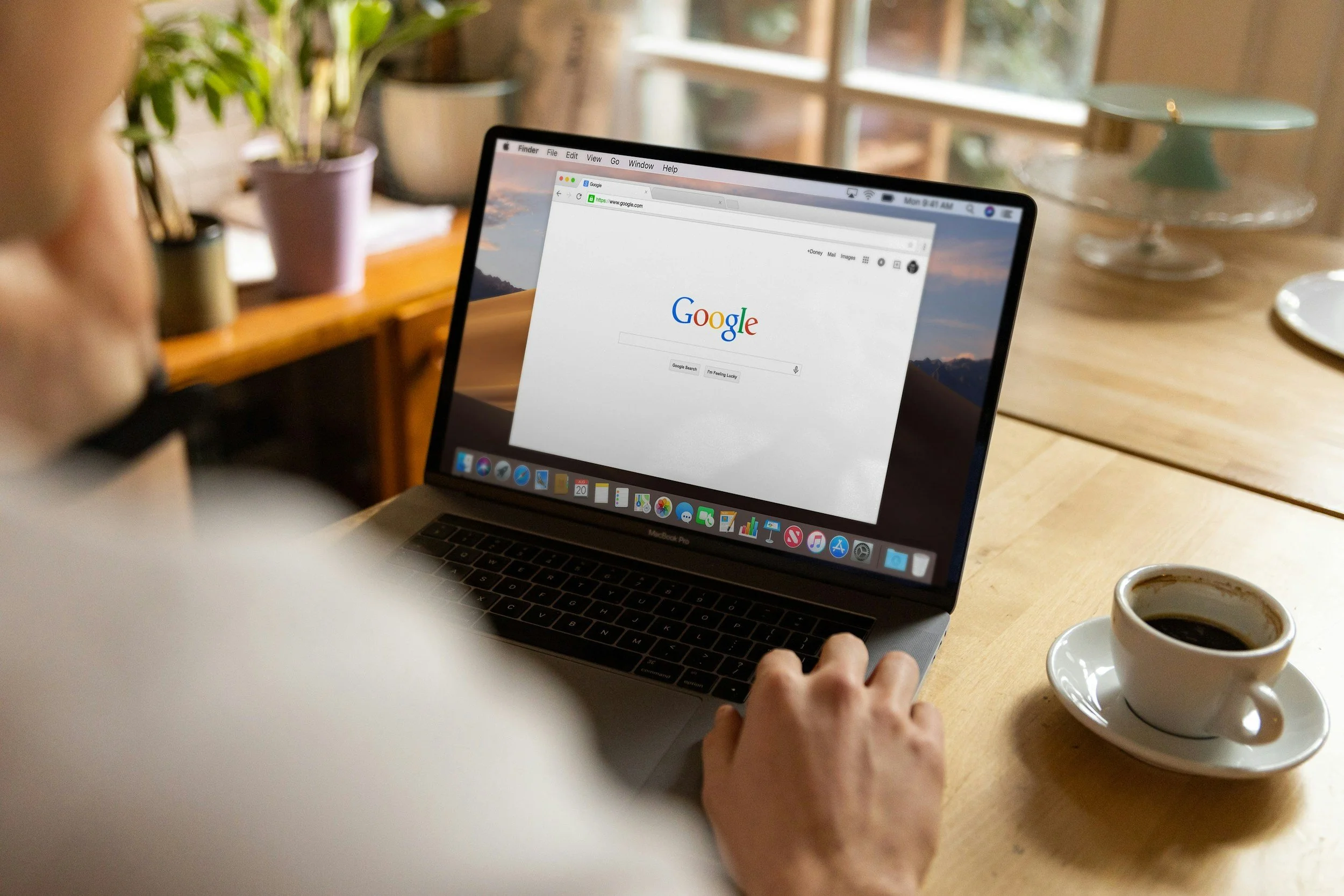
Design Gets Attention. SEO Gets Traffic.
Website design and SEO serve two different purposes, but they depend on each other.
Design helps convert visitors into customers
SEO helps bring visitors to your site in the first place
If you focus only on design, you may end up with a site that looks great but gets little to no traffic.
If you focus only on SEO, you might get traffic—but your site may not build trust or convert visitors into leads.
The real results happen when both are built together from the start.
SEO Starts Before the Website Is Even Built
One of the biggest misconceptions is that SEO is something you “add on later.”
In reality, SEO should guide the structure of your website from day one.
This includes:
Page organization and hierarchy
Keyword-focused page topics
URL structure
Navigation setup
For example, if you’re a local business, your site should be structured around the services and locations people are actually searching for—not just what sounds good.
When SEO is considered early, your website is built with purpose—not guesswork.
Good Design Supports SEO (More Than You Think)
Search engines like Google don’t just look at keywords—they evaluate how users interact with your website.
That means your design directly impacts your rankings.
Things like:
Mobile responsiveness
Page load speed
Clean layout and readability
Easy navigation
All of these affect how long users stay on your site and whether they take action.
A well-designed website keeps people engaged—which signals to search engines that your content is valuable.
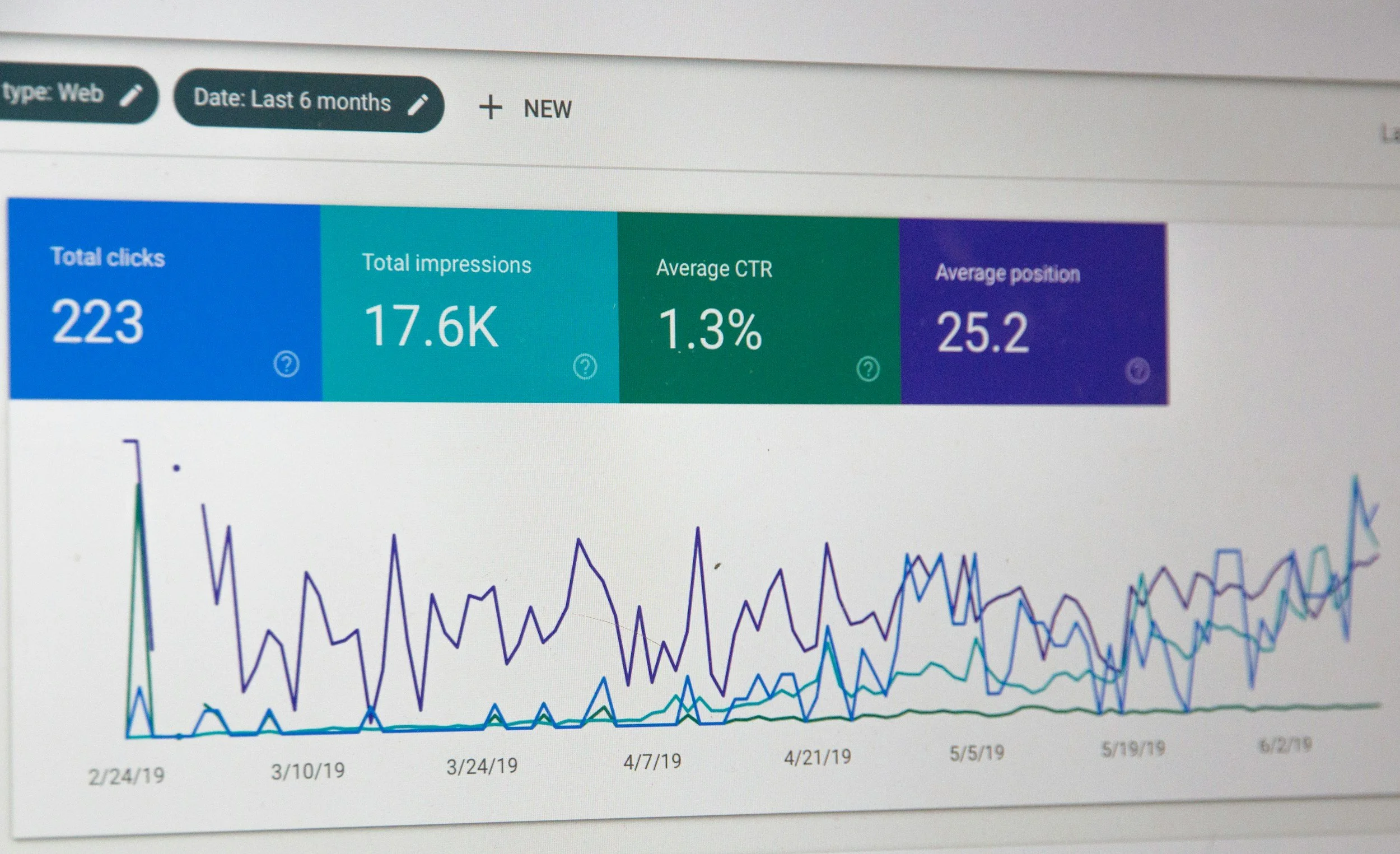
SEO-Friendly Design Builds Trust
When someone lands on your website, they’re asking themselves one question:
“Do I trust this business?”
A site that loads quickly, is easy to navigate, and clearly communicates what you do builds confidence immediately.
When SEO and design are aligned:
Visitors find exactly what they searched for
Information is easy to scan and understand
Calls-to-action feel natural, not forced
This leads to better conversions—and better overall performance.
Trying to Add SEO Later Can Be Costly
It’s possible to add SEO after a website is already built—but it’s often more time-consuming and expensive.
You may need to:
Restructure pages
Fix technical issues
Redesign layouts to improve user experience
In many cases, it ends up being more efficient to do it right the first time.
The Bottom Line
Your website isn’t just a digital brochure—it’s a tool meant to bring in business.
To do that effectively, it needs both:
Strong, intentional design
A solid SEO foundation
When these two work together, your website doesn’t just look good—it actually performs.
Thinking About Building or Redesigning Your Website?
If you’re planning a new website (or wondering why your current one isn’t getting results), it may not be just a design issue—or just an SEO issue.
It’s usually both.
When done right, your website becomes one of your most valuable business assets—working for you 24/7.